How to Choose the Best Photographer Booking App (2026)
site--2WOwA • March 26, 2026

How to Choose the Best Photographer Booking App (The Ultimate 2026 Comparison Guide)


In the fast-evolving creative economy of 2026, the way we connect, collaborate, and close deals has fundamentally shifted. Gone are the days of digging through cluttered Instagram DMs or waiting forty-eight hours for a "contact me" form response. If you are looking to hire a photographer today, you need a solution that moves at the speed of your business.

Choosing the right photographer booking app isn't just about finding a calendar; it’s about finding a workflow that eliminates friction. Whether you are a brand manager needing high-end product shots or a couple looking for the perfect engagement session, the platform you choose determines the quality of your experience.

In this guide, we’ll compare the industry standards of 2026 and explain why Stone Street has emerged as the premier choice for professionals and clients alike.

The Evolution of the Booking Experience

A few years ago, a booking app was essentially a glorified digital calendar like Calendly or Trafft. While these tools are excellent for standard corporate meetings, they fail to capture the nuance of a creative production. A photoshoot isn't just a thirty-minute time slot; it involves location scouting, equipment lists, mood boards, and specific aesthetic niches.

In 2026, the best platforms have moved toward a "creative ecosystem" model. This means integrating the search, the conversation, the location, and the transaction into a single, seamless thread.


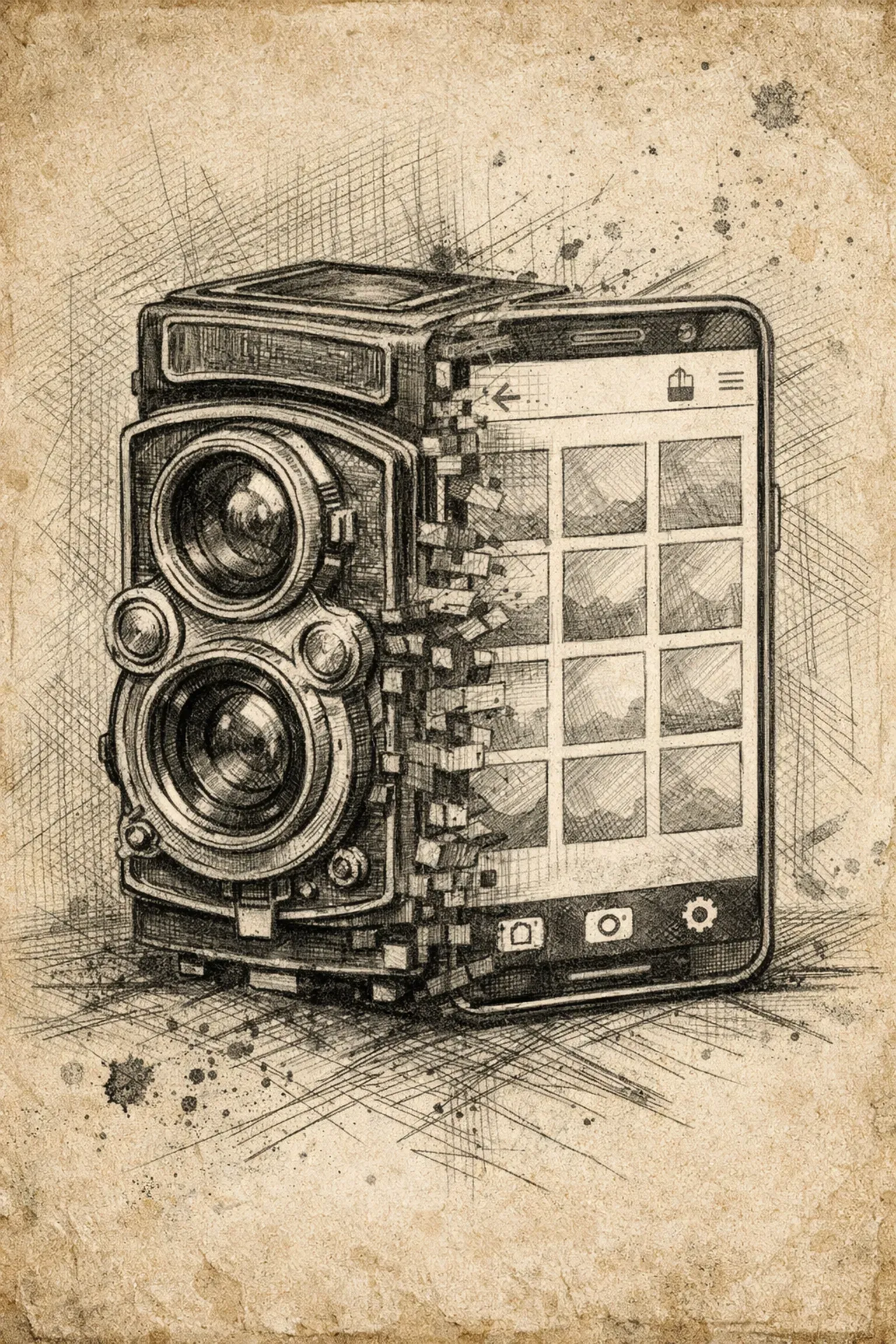
Visual: An old-school sketch of a vintage camera integrated into a modern smartphone interface, symbolizing the blend of classic artistry and new-age tech.

1. Niche-Based Search: Finding the Right Specialist

The biggest mistake clients make when they try to hire a photographer is hiring a generalist for a specialist job. You wouldn't hire a wedding photographer to shoot an architectural marvel, just as you wouldn't hire a headshot specialist for a high-fashion editorial.

Most generic booking apps treat all "service providers" the same. Stone Street changes the game with its niche-based search functionality. Instead of scrolling through an endless list of names, users can filter by specific creative disciplines. This ensures that the portfolio you are looking at isn't just "good", it’s relevant.

When you use Stone Street, you are searching within a curated syndicate of talent. This focus on high-level, niche-specific talent is what separates a professional platform from a generic gig-economy site.

2. The Power of Integrated "Casting Calls"

Sometimes, you don’t want to spend hours searching; you want the talent to come to you. This is where the concept of the "Casting Call" comes into play.

A top-tier photographer booking app should allow you to post a brief and let qualified creators apply. In the Stone Street ecosystem, you can post a Casting Call detailing your project requirements, budget, and timeline. This flips the script, allowing you to review a curated list of interested professionals who are already available for your dates. It’s the most efficient way to scale production without the administrative headache of manual outreach.


Visual: An old-school sketch of a megaphone with "Casting Call" written on it, surrounded by flying sketches of various artistic portfolios.

3. Location Scouting: "Photoshoot Locations Near Me"

One of the most requested features in 2026 is the ability to tie a photographer to a specific environment. Often, the search for a creator begins with the search for a space. If you've ever typed "photoshoot locations near me" into a search engine, you know how fragmented that data can be.

Stone Street solves this by integrating a Community Map. This map doesn’t just show you where photographers are located; it highlights vetted photoshoot locations and creative hubs. This allows you to plan the entire production geographically. You can find the location, find the photographer nearby, and book them both within the same conceptual workflow.

4. Direct Chat and Real-Time Collaboration

Communication is the "make or break" factor in creative work. In 2026, if you have to leave an app to send an email, the app has failed you.

The best photographer booking apps prioritize Direct Chat features. This allows for:

  • Immediate Feedback: Discussing the mood board before the contract is signed.
  • Centralized Records: Keeping all project details, change requests, and final agreements in one place.
  • Trust: Seeing a "verified" badge and having a direct line of communication builds the rapport necessary for a successful shoot.

Stone Street is built on the philosophy of bridging the gap between the client and the creative. By removing the "middle-man" feel of traditional agencies and replacing it with direct, high-tech communication, the creative process stays pure.


Visual: A sketch of two hands shaking, with one hand holding a pen and the other a camera, drawn in a classic charcoal style.

2026 Comparison: Stone Street vs. Traditional Platforms

To help you decide, let’s look at how Stone Street stacks up against the "old guard" of booking tools.

While platforms like HoneyBook are excellent for back-end accounting, they don't help you find the talent or the location. Stone Street is the only platform that covers the entire lifecycle of a project: from the first "I need a photographer" thought to the final payment.

Why Stone Street is the Professional Choice

At Stone Street, we understand that professional photography is an investment. Whether it's for your brand’s visual identity or a personal milestone, you deserve more than just a "slot" on a calendar.

Our platform is designed for those who value quality over quantity. By using our Welcome to Stone Street portal, new users can quickly see how our integrated booking system handles everything from deposits to turnaround time expectations.


Visual: A sketch of a magnifying glass highlighting a specific niche within a sea of different artistic icons, emphasizing "Niche Search."

Streamlined Integrated Booking

The modern professional doesn’t want to juggle three different apps to get one job done. Stone Street offers Integrated Booking which means:

  1. Discovery: Finding the talent via niche search.
  2. Vetting: Reviewing portfolios and location maps.
  3. Hiring: Sending a secure contract and payment through the app.
  4. Delivery: Managing the timeline and expectations in one dashboard.

This holistic approach is why Stone Street is consistently rated the top photographer booking app in 2026. It respects the time of the client and the craft of the photographer.

Finding Your Focus

When you are ready to hire a photographer, don't settle for a platform that treats creativity like a dental appointment. Look for a community that understands the "Beyond the Lens" aspect of the work.

If you are looking for photoshoot locations near me or need to find a specialist who understands your specific vision, the choice is clear. You need a platform that offers more than a calendar: you need a syndicate.


Visual: An old-school architectural sketch of a "Stone Street" signpost at a crossroads of different creative paths.

Summary of Must-Have Features for 2026:

  • Niche-Specific Filtering: Don't waste time on irrelevant portfolios.
  • Direct-to-Talent Communication: No more agency gatekeepers.
  • Geographic Integration: Find the spot and the pro at the same time.
  • Casting Call Capability: Let the best talent bid for your project.
  • Secure Payment & Contracts: Protect your investment and your time.

Ready to see the difference for yourself? Visit Stone Street today and experience the future of creative booking. Whether you’re browsing or ready to post your first casting call, we’ve built the tools you need to succeed in 2026.

The Syndicate

By site--2WOwA March 4, 2026
This is a subtitle for your new post
By site--2WOwA February 26, 2026
You've just wrapped up an incredible company event. The photographer captured everything from keynote presentations to those candid moments at the cocktail hour. Now comes the question that's probably keeping your marketing team on edge: When will we actually get those photos? If you've ever found yourself refreshing your inbox three days post-event wondering where your images are, you're not alone. The photo delivery timeline is one of the biggest sources of confusion (and frustration) when you hire a photographer. The problem? There's no universal standard, and expectations vary wildly between clients and creatives. Let's cut through the confusion and talk about what's actually realistic in 2026. The 2026 Industry Baseline: What to Expect Here's the reality: photo turnaround times typically range anywhere from 24 hours to 7 business days , depending on several factors we'll dig into shortly. But that's a pretty wide window, right? The key is understanding that not all shoots are created equal. A quick headshot session doesn't require the same post-production time as a three-day conference with multiple venues and lighting scenarios. Simple Events: The Fast Track For straightforward shoots: think team headshots, small office gatherings, or basic product photography: you're looking at 24 to 48 hours for delivery. These projects have limited volume and don't require extensive editing. The photographer might shoot 100-200 images, cull them down to the best 50-75, do some basic color correction, and have them ready for you by the next business day. Moderate Complexity: The Sweet Spot Most corporate events fall into this category: product launches, award ceremonies, executive retreats, panel discussions. For these shoots, expect 2 to 5 business days for final delivery. Why the longer timeline? These events require more careful attention. The photographer needs to ensure they've captured all the key moments, that lighting is consistent across different spaces, and that every image meets quality standards. They might be working through 500-1,000 photos to deliver your final gallery of 150-300 polished images. High-Complexity Events: The Marathon Multi-day conferences, large-scale corporate events, or shoots across multiple locations can take 5 to 7 business days . We're talking about massive volumes of content: sometimes 2,000+ images captured across different venues, lighting conditions, and event segments. The photographer isn't just editing here; they're essentially curating a visual story of your entire event. What Actually Affects Your Delivery Timeline? Understanding the timeline is one thing, but knowing why certain projects take longer helps set realistic expectations when you hire a photographer. Post-Processing Complexity Not all editing is created equal. Photos shot in perfect natural light at an outdoor daytime event? Relatively quick to process. Photos from a dimly-lit ballroom with mixed stage lighting and challenging exposure conditions? That requires significantly more work in post-production. Each image might need individual attention for color correction, exposure adjustment, and sharpening. Multiply that by hundreds of photos, and you can see why timelines extend. Your Internal Approval Process Here's something many clients don't consider: your company's review process can add 2-3 days to the overall timeline. If your photographer needs to send images to your marketing team for approval before final delivery, or if compliance needs to review photos before they go public, factor that into your planning. Stone Street's platform actually helps here by streamlining communication between clients and photographers, making approval workflows much more transparent and efficient. Seasonal Demand Corporate event photography has peak seasons: typically spring and autumn when conferences, annual meetings, and corporate retreats cluster together. During these periods, photographers' workloads are higher, which can impact turnaround times. If you're booking during peak season and need fast delivery, communicate that upfront. Most photographers will be honest about their capacity. The Photographer's Setup A solo photographer working alone has individual bandwidth limits. They're shooting, culling, editing, and delivering everything themselves. Larger photography studios or teams can divide the workload, processing images simultaneously and potentially delivering faster. When you use a photographer booking app like Stone Street, you can see details about the photographer's working style and typical turnaround times before you even book, eliminating surprises later. How 2026 Technology Is Changing the Game Let's talk about the elephant in the room: AI-assisted editing. In 2026, AI tools have become standard practice in professional photography workflows. Photographers are using AI for batch-editing, automated retouching, and intelligent culling that can identify the best shots from a series. This is reducing turnaround times across the board while maintaining (and sometimes improving) quality standards. What used to take a photographer 8 hours of manual editing might now take 3-4 hours with AI assistance. The result? Photographers can accommodate more bookings without sacrificing quality or burning out, and clients get their images faster. It's a win-win scenario that's reshaping industry standards. But here's the important part: AI is assisting, not replacing. Experienced photographers are still making the creative decisions, ensuring brand consistency, and applying the artistic eye that separates great photos from mediocre ones. How Stone Street Brings Transparency to the Process One of the biggest frustrations when you hire a photographer through traditional channels is the communication black hole. You book someone, they show up and shoot, then you're left wondering what happens next. Stone Street was built specifically to solve this problem. When you book through our platform, turnaround expectations are established upfront. You can see each photographer's typical delivery timeline before you book, communicate delivery needs during the planning phase, and track progress after the shoot. No more "I'll get them to you soon" vagueness. No more following up multiple times. Just clear expectations and transparent communication throughout the entire process. Setting Yourself Up for Success Whether you're using Stone Street or another method to hire a photographer, here's how to ensure smooth delivery: Be specific about your needs. Do you need a few preview images for immediate social media posting within 24 hours? Specify that. Do you need final high-resolution files for print materials? Make that clear. Different use cases have different urgency levels. Establish concrete deadlines. "ASAP" means something different to everyone. Instead, say "We need images by March 3rd for our quarterly newsletter that goes out March 5th." Concrete dates eliminate ambiguity. Discuss rush options upfront. Most photographers offer expedited delivery for an additional fee if arranged in advance. If you genuinely need photos within 24 hours, have that conversation during booking: not after the shoot. Understand the difference between previews and final delivery. Many photographers can provide a small selection of lightly-edited preview images quickly for immediate social media needs, with the full gallery following a few days later.  The Bottom Line When you hire a photographer in 2026, realistic turnaround times range from 24 hours for simple shoots to 7 business days for complex events. The key to avoiding frustration is clear communication and understanding what factors influence delivery speed. The industry is evolving rapidly: AI tools are speeding up workflows, and platforms like Stone Street are bringing much-needed transparency to the booking and delivery process. Your best move? Choose a photographer booking app that prioritizes clear expectations, maintains open communication channels, and gives you visibility into the entire process from booking through final delivery. Because when you're planning your next corporate event or marketing campaign, the last thing you need is uncertainty about when those crucial images will land in your inbox.